Crypto vs. Traditional Bookmakers for NFL Betting in the UK: An Honest Comparison
 Available in US
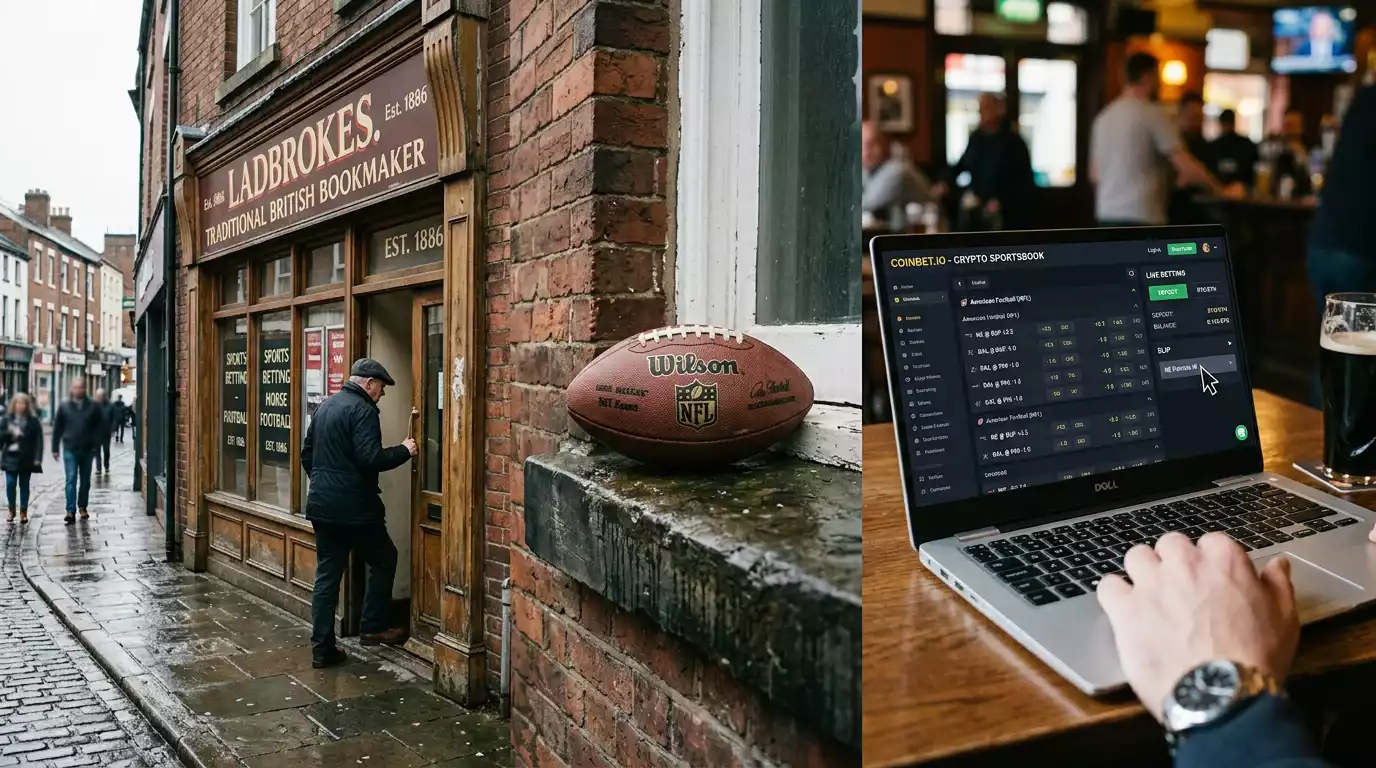
Two Ecosystems Serving the Same NFL Season
I have active accounts on both sides of this divide. A UKGC-licensed bookmaker where I have bet on the NFL since 2017, and two crypto sportsbooks where I have wagered since 2020. The experience is different in ways that go far beyond the payment method. The odds are different. The withdrawal speed is different. The level of protection when something goes wrong is different. And neither side is categorically better — each offers advantages that the other cannot match.
The UK’s remote gambling sector generated GBP 16.8 billion in gross gambling yield during the 2025 financial year — the vast majority through UKGC-licensed operators. Crypto sportsbooks operate largely outside that figure, serving UK bettors through offshore platforms that are growing in both volume and sophistication. Comparing the two honestly means acknowledging what each does well and what each does poorly, without the promotional bias that colours most content on this topic.
Odds and Margins: Where the Value Sits
Crypto sportsbooks generally operate with lower overheads than UKGC-licensed operators. They do not pay UK betting duty, do not fund the responsible gambling levy, and often run leaner operations with smaller compliance teams. Some of that cost saving is passed to bettors in the form of tighter odds margins.
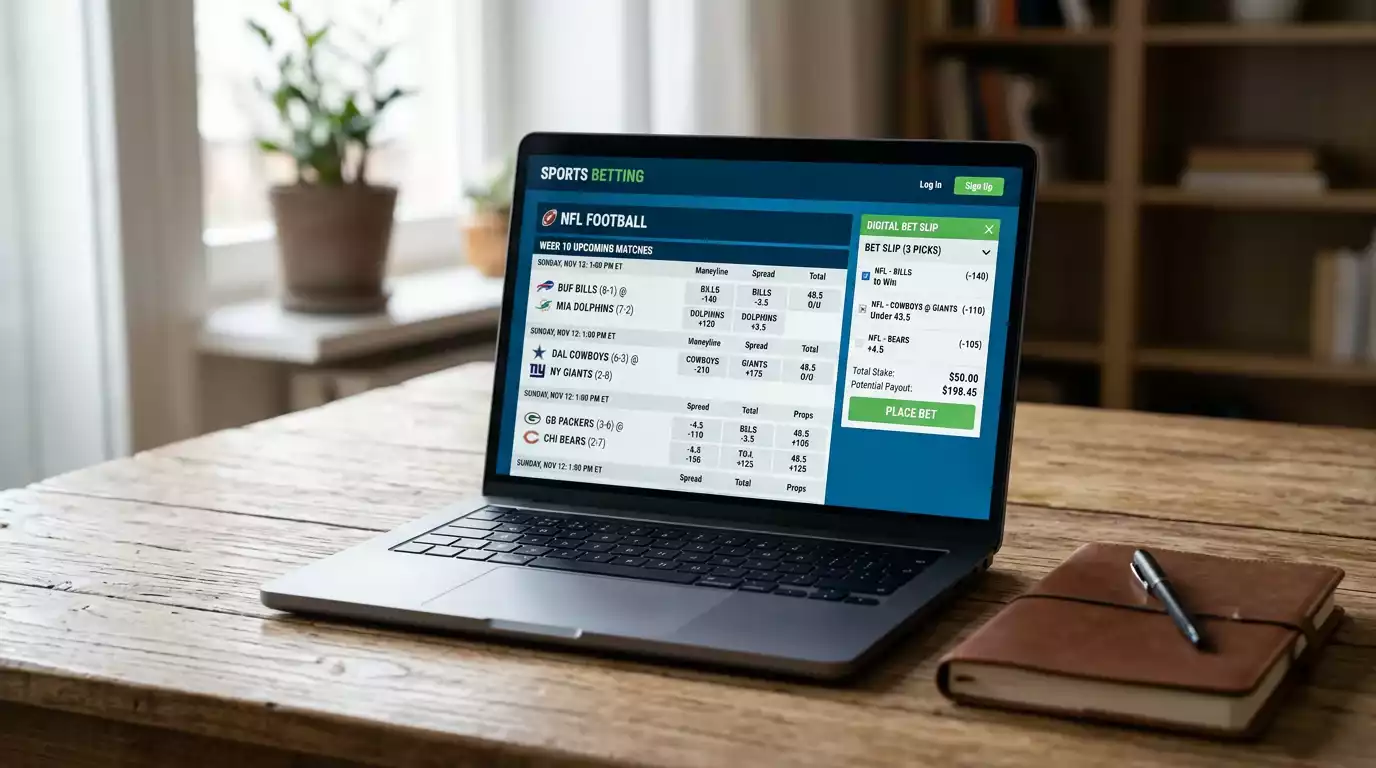
On a typical NFL spread bet, a UKGC-licensed bookmaker might price both sides at 1.91 (implied margin of approximately 4.5%). A competitive crypto sportsbook might offer 1.95 on the same market (implied margin of approximately 2.5%). Over a season of 200 spread bets, that 2-percentage-point margin difference adds up to a meaningful reduction in the effective cost of wagering. Legal NFL betting in the US reached $30 billion for the 2025 season, and the global competitive pressure on crypto platforms drives them to offer sharper lines than operators insulated by regulatory moats.
The margin advantage is not universal, however. Crypto sportsbooks sometimes offer wider margins on less popular markets — NFL player props for non-primetime games, for instance — where their pricing models have less data to work with. And during peak betting periods, some crypto platforms widen their margins to manage risk, reducing or eliminating the edge that exists at quieter times.
Funding Speed, Limits, and Costs
This is where the gap is widest. Depositing on a UKGC-licensed bookmaker with a UK debit card is instant but carries the full trail of banking visibility, potential affordability checks, and occasional card declines when the bank’s fraud system flags a gambling transaction. Withdrawals to a bank account take one to five business days.
Crypto deposits process in minutes — often seconds on fast networks. Bitcoin handles roughly 66% of crypto gambling volume, but Ethereum, Litecoin, and stablecoins on networks like Tron offer near-instant settlement with fees measured in pennies. Withdrawals on crypto sportsbooks are typically processed within hours rather than days, and some platforms offer automated withdrawals that execute without manual review.
Deposit and withdrawal limits also differ sharply. UKGC-licensed bookmakers impose limits that reflect their regulatory obligations — affordability assessments, source-of-funds checks, and responsible gambling interventions all constrain maximum deposit sizes. Crypto sportsbooks generally impose higher limits or none at all, which is an advantage for high-volume bettors and a risk for anyone whose deposit patterns outpace their financial reality.
Transaction costs favour crypto for most use cases. Bank transfers are free but slow. Debit card deposits are instant but may incur fees from some operators. Crypto transaction fees depend on the network — Bitcoin mainnet can cost GBP 1 to GBP 5, while USDT on Tron costs fractions of a penny.
Regulation, Consumer Protection, and Dispute Resolution
This is where the comparison swings decisively toward UKGC-licensed operators. A UKGC licence means the operator is subject to regular compliance audits, player fund segregation requirements, mandatory responsible gambling tools, and oversight by a regulator with the power to issue fines, suspend licences, and require operational changes.
If a UKGC-licensed bookmaker refuses to pay a winning bet, you have a formal dispute resolution pathway through an approved Alternative Dispute Resolution provider. If the dispute escalates, the UKGC can investigate. If the operator is found to have acted improperly, regulatory consequences follow. The system is imperfect — I have waited months for ADR outcomes — but it exists.
Crypto sportsbooks operating without a UKGC licence offer none of these protections. Dispute resolution is limited to the platform’s own customer support. There is no external ombudsman, no regulatory backstop, and no practical mechanism to enforce a favourable ruling. The illegal share of UK online gambling has reached 9% — approximately GBP 379 million — and bettors contributing to that figure have no formal recourse when things go wrong.
Chris Elliot, a partner at London law firm Wiggin specialising in gambling regulation, has argued that a credible, regulated pathway for crypto would be a more effective consumer protection tool than de-facto prohibition. That argument highlights the core tension: the current system forces UK bettors to choose between regulatory protection (licensed bookmakers) and payment flexibility (crypto sportsbooks), when what they need is both.
Frequently Asked Questions
Do crypto NFL sportsbooks offer higher withdrawal limits than UK-licensed bookmakers?
Generally, yes. Most crypto sportsbooks impose minimal or no withdrawal limits, while UKGC-licensed operators may cap withdrawals based on affordability assessments and anti-money-laundering requirements. However, higher limits on unlicensed platforms come without the consumer protections that UKGC-licensed operators provide.
Can I use both a UKGC-licensed bookmaker and a crypto sportsbook for the same NFL game?
Yes, and some bettors do exactly this — using the UKGC-licensed bookmaker for markets where its odds are competitive and the crypto sportsbook for markets where the margin advantage is significant. This approach captures the regulatory protection of the licensed operator while accessing sharper lines where they exist.
How much difference in NFL odds margins can UK bettors expect between crypto and UKGC-licensed platforms?
The margin difference varies by market and timing but typically ranges from 1 to 3 percentage points on popular NFL spreads and moneylines. Crypto sportsbooks often offer tighter margins on high-volume markets like Sunday afternoon games, while the advantage narrows or disappears on lower-volume props and futures.
It Depends on What You Prioritise
There is no universal answer to whether crypto or traditional bookmakers are better for NFL betting in the UK. If your priority is consumer protection, dispute resolution, and responsible gambling infrastructure, UKGC-licensed operators are the clear choice. If your priority is odds value, withdrawal speed, and deposit flexibility, crypto sportsbooks have structural advantages.
My own approach uses both — UKGC-licensed for the bulk of my NFL betting, crypto for specific situations where the margin advantage justifies the regulatory trade-off. Understanding the differences, rather than defaulting to one side, lets you make informed decisions game by game. And if the UKGC eventually permits crypto payments on licensed platforms, the question becomes moot — which is why watching the promotional landscape across both ecosystems matters more now than ever.
Created by the ”Best nfl Crypto Betting” editorial team.